Laser and Pigmentation
PicoCare Laser
PicoCare Laser is a picosecond laser treatment used in aesthetic medicine for patients discussing pigmentation, uneven skin tone, selected skin texture concerns, and overall skin rejuvenation.
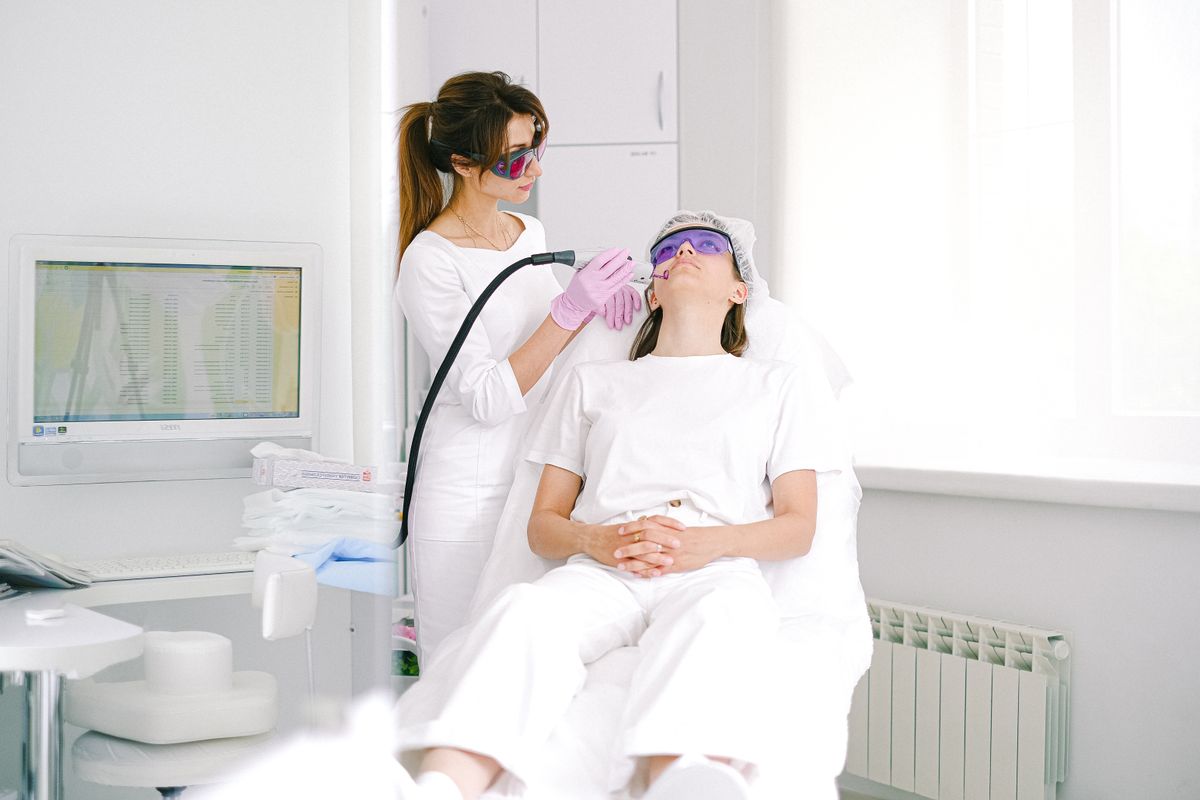
PicoCare Laser is a picosecond laser treatment used in aesthetic medicine for patients discussing pigmentation, uneven skin tone, selected skin texture concerns, and overall skin rejuvenation.
PicoCare uses picosecond laser technology, which delivers laser energy in extremely short pulses.
Depending on the wavelength and treatment settings selected, the laser energy can target pigment within the skin and break it into smaller particles that can then be gradually cleared by the body's natural processes.
The treatment may also create a controlled skin response that can support improvements in certain aspects of skin texture and overall skin appearance.
How PicoCare works
The exact mechanism and treatment outcome depend on:
- Laser wavelength
- Energy level
- Pulse settings
- Treatment technique
- Skin type
- Type and depth of pigmentation
- The specific condition being treated
This is why PicoCare should not be treated as a single standardised "pigmentation laser."
What PicoCare can be used for
Depending on the patient's skin condition and the doctor's assessment, PicoCare may be discussed for:
- Freckles
- Sun spots
- Selected forms of pigmentation
- Uneven skin tone
- Dull-looking complexion
- Selected post-inflammatory pigmentation concerns
- Certain textural concerns
- Overall skin rejuvenation
Different pigmentation conditions can behave very differently.
For example, superficial sun-induced pigmentation may respond differently from deeper or hormonally influenced pigmentation. Correct diagnosis is therefore important before deciding on laser treatment.
What results should patients expect?
Results depend heavily on the type of pigmentation and the treatment protocol.
Patients may notice:
- More even-looking skin tone
- Reduction in the appearance of selected pigmentation
- Brighter-looking complexion
- Improved overall skin clarity
- Smoother-looking skin in selected cases
Some pigmentation may darken temporarily after treatment before gradually becoming less visible as the pigment is cleared.
Multiple sessions may be recommended depending on the condition being treated.
Patients should understand that pigmentation treatment is often a process rather than a one-time procedure, particularly for conditions that are influenced by sun exposure or hormonal factors.
Recovery and common effects
Recovery depends on the laser settings and the condition being treated.
Patients may experience:
- Temporary redness
- Warmth
- Mild swelling
- Sensitivity
- Temporary darkening of pigmentation
- Mild dryness or flaking
More intensive treatments may require a longer recovery period.
The doctor will advise the patient on appropriate post-treatment skincare and sun protection.
Sun protection is important
After laser treatment, protecting the skin from ultraviolet exposure is particularly important.
Patients are advised to:
- Use appropriate broad-spectrum sunscreen
- Minimise direct sun exposure
- Avoid unnecessary heat or irritation during the recommended recovery period
- Follow the clinic's post-treatment skincare instructions
Related treatments
Book a consultationConsultation-first care
Start with a measured conversation, then build the right aesthetic or dental path.
This site is structured around consultation capture rather than hard-selling a booking widget. That keeps the brand aligned with doctor-led clinical decision making across both medical aesthetics and dentistry.