Injectables and biostimulators
PRP
PRP (Platelet-Rich Plasma) is an autologous injectable treatment that uses a patient's own blood to prepare a concentrated plasma component containing platelets and naturally occurring growth factors.
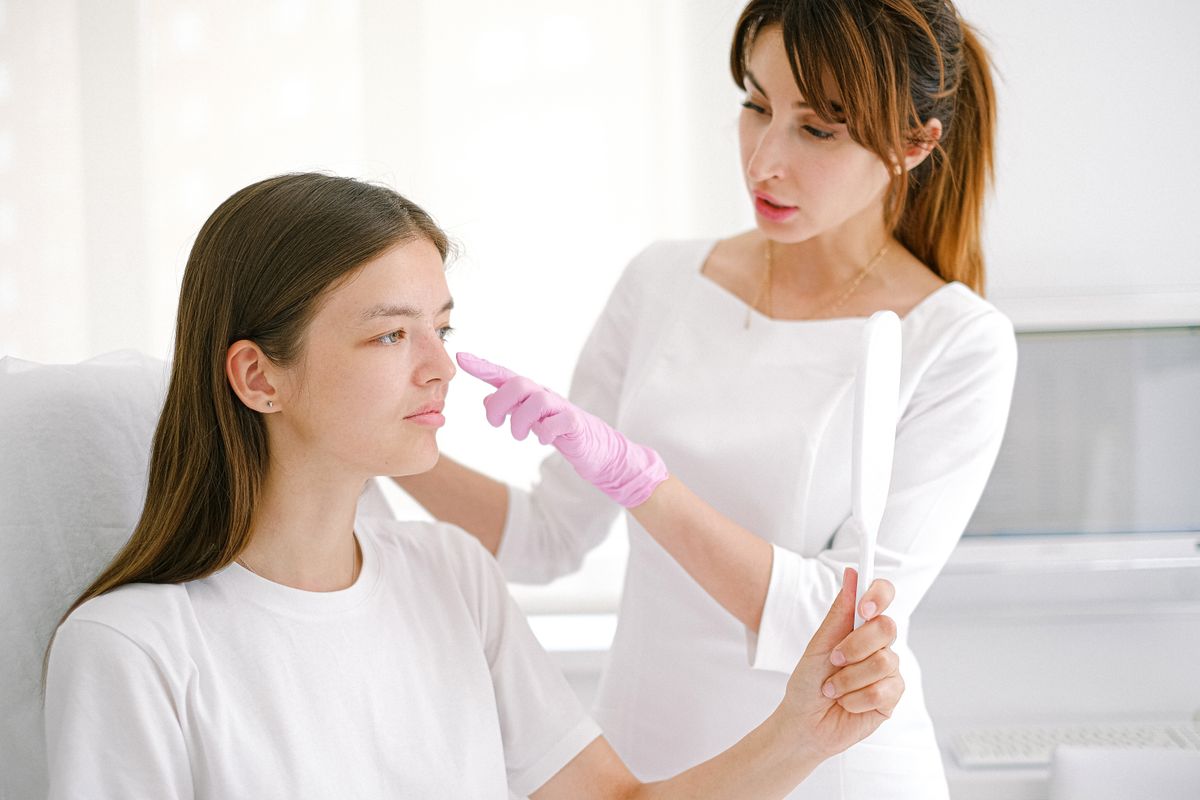
PRP (Platelet-Rich Plasma) is an autologous injectable treatment that uses a patient's own blood to prepare a concentrated plasma component containing platelets and naturally occurring growth factors.
It may be considered for patients who are interested in improving skin quality, texture, hydration, and overall skin rejuvenation through a treatment that uses their own blood-derived material.
Rather than adding synthetic volume or changing facial structure, PRP is generally discussed as a regenerative and skin-quality-focused treatment.
How PRP works
A small amount of the patient's blood is collected and processed to separate the plasma and platelet-rich component.
The prepared PRP is then applied or injected into selected areas according to the treatment plan.
Platelets contain various naturally occurring growth factors and signalling proteins that are involved in the body's normal processes of tissue repair and regeneration.
In aesthetic medicine, PRP is therefore used with the intention of supporting the skin's natural regenerative processes.
The treatment may help support improvements in:
- Skin texture
- Skin quality
- Fine lines
- Overall skin tone and appearance
- Skin hydration and smoothness
- Post-acne skin quality
- General signs of skin ageing
What PRP can be used for
Depending on the patient's condition and treatment objectives, PRP may be discussed for concerns such as:
- Dull or tired-looking skin
- Fine lines
- Early signs of skin ageing
- Uneven or rough skin texture
- Reduced skin quality
- Certain acne-scar concerns
- Skin that appears less healthy or resilient
- Overall facial rejuvenation
PRP is also discussed for other aesthetic applications, including certain hair-related concerns, depending on the doctor's assessment and the patient's suitability.
The appropriate application depends on the individual's condition and should be determined following medical consultation.
PRP is generally associated with gradual skin-quality improvement rather than immediate dramatic transformation.
Depending on the individual, patients may notice improvements in:
- Skin smoothness
- Overall skin quality
- Texture
- Radiance
- Fine lines
- General appearance of skin health
The degree of improvement varies from person to person.
Treatment outcomes can be influenced by age, skin condition, lifestyle, individual healing response, treatment technique, and the number and spacing of treatment sessions.
Patients should therefore view PRP as part of a progressive skin-rejuvenation strategy, rather than expecting an instant facelift-like result.
Recovery and common effects
Because PRP uses material derived from the patient's own blood, there is no introduction of a conventional synthetic filler into the treatment area.
However, PRP remains an injectable medical procedure and can result in temporary:
- Redness
- Swelling
- Tenderness
- Bruising
- Minor discomfort
- Temporary sensitivity
The expected recovery depends on the injection technique and treatment area.
Patients should follow the doctor's post-treatment instructions and contact the clinic if they experience unexpected or concerning symptoms.
Inshin Clinic's approach
At Inshin Clinic, PRP is discussed as part of a doctor-led, personalised skin-rejuvenation plan rather than simply as a "natural treatment."
The consultation begins by identifying the patient's actual concern:
- 1What has changed?
- 2What is causing the concern?
- 3What does the skin need?
- 4Can PRP meaningfully address it?
Only after this assessment is the doctor able to determine whether PRP is appropriate and whether it should be used independently or considered alongside other treatments.
The objective is not simply to perform PRP because a patient is looking for "better skin."
It is to determine whether PRP is the right biological and clinical approach for that particular patient's skin, condition, and goals.
Related treatments
Book a consultationConsultation-first care
Start with a measured conversation, then build the right aesthetic or dental path.
This site is structured around consultation capture rather than hard-selling a booking widget. That keeps the brand aligned with doctor-led clinical decision making across both medical aesthetics and dentistry.